Building an AI-powered server management platform from the ground up
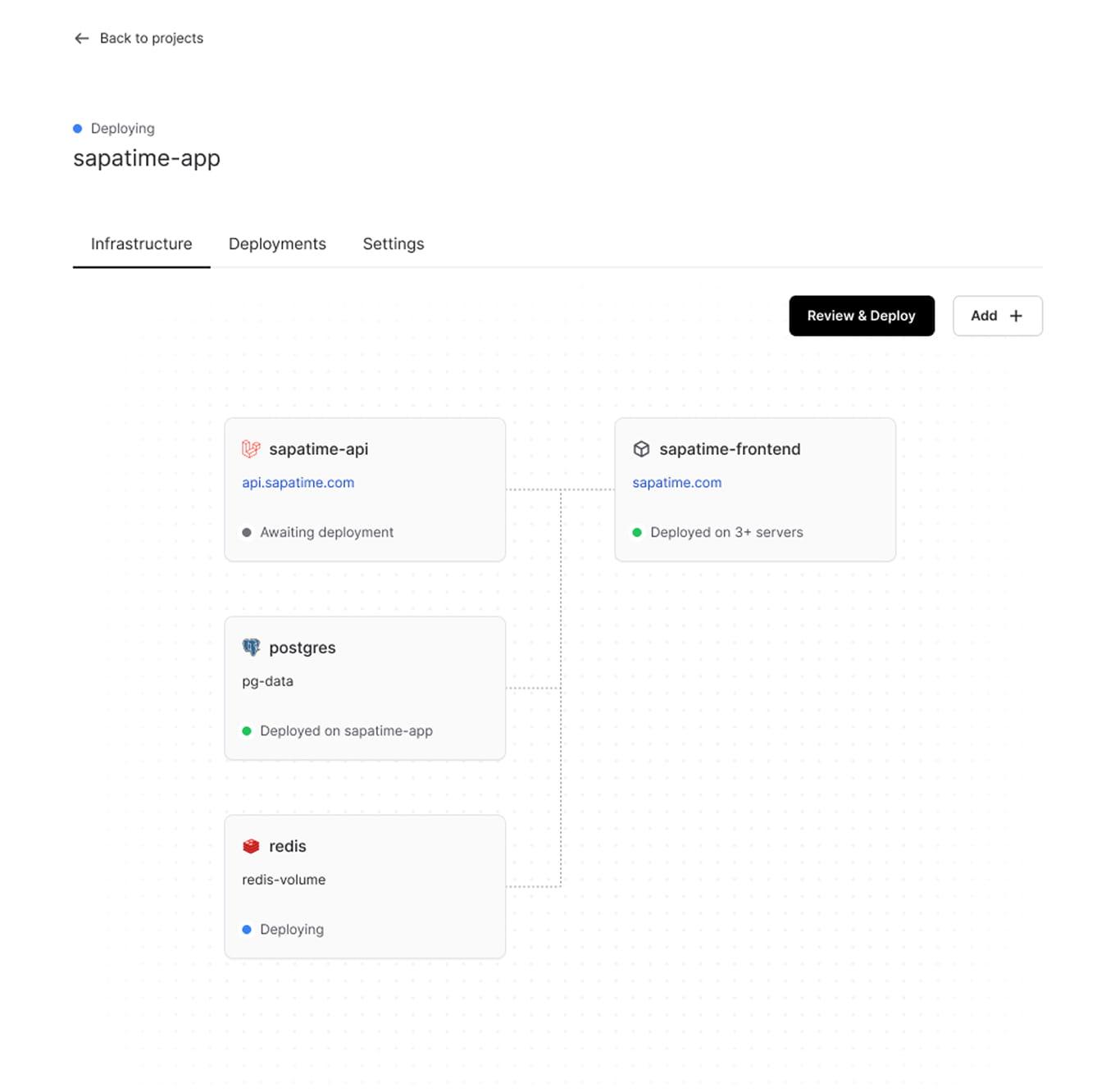
Kumoto is an AI-powered platform that helps developers manage their own servers and deploy applications, without the usual infrastructure complexity.
I started Kumoto with a friend. While he focused on the backend, I handled product design, frontend development, marketing, user interviews, and pitching to investors. This case study focuses on my experience building a startup from the ground up.
The problem
We started noticing how dependent we'd become on AWS and other managed services. While convenient, they came with trade-offs such as vendor lock-in, steep learning curves, and the risk of unexpected bills.
As we looked into it more deeply, we found that many alternatives either tied developers to their own cloud or lacked a good developer experience. As data sovereignty and control became increasingly important and self-hosted AI gained momentum, our own problem started to turn into a business opportunity.
We believed we could offer the same convenience as managed cloud platforms, but on servers you control. We wanted to provide full control over your data, visibility into server performance, more predictable costs, and the ability to manage your infrastructure through AI prompts. And so we built Kumoto.
Challenges
Building Kumoto as first-time founders pushed us well beyond engineering.
- Wearing multiple hats: Constantly switching between engineering, user interviews, and everything else that came with running a startup was challenging, especially when so much of it was new to us;
- Prioritization: Deciding what to include in the MVP was challenging. With limited time and so many ideas, the product never felt ready to launch;
- Finding product-market fit: Getting Kumoto in front of the right people was one thing. Turning that interest into regular usage and a sustainable business was much harder than we expected as first-time founders;
- Co-founder alignment: With just two of us, we depended heavily on each other's time and commitment. As our priorities shifted, maintaining momentum became increasingly difficult.
My role
As a co-founder, I split my time between product design, engineering, marketing, and pitching to investors. My main contributions included:
- Shaping the product direction and deciding what to prioritize for the MVP alongside my co-founder;
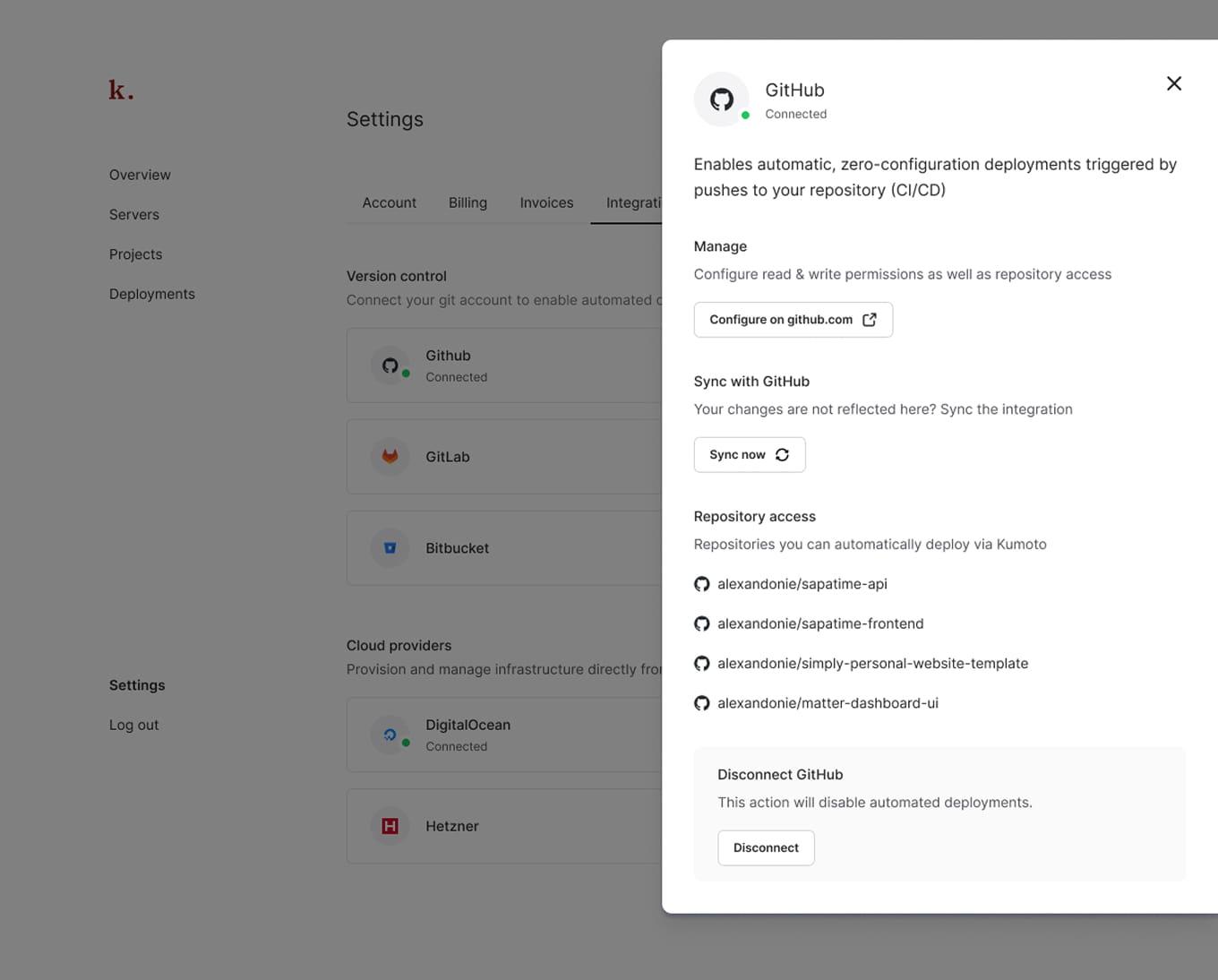
- Designing the product experience and building the frontend, from early concepts to a working product;
- Creating demo videos, writing website copy, and producing other marketing content to expand our reach and attract users;
- Interviewing potential users to understand their needs and gather feedback;
- Preparing pitch decks and presenting Kumoto to potential investors.
Key decisions
Building Kumoto meant drawing on my engineering experience while also making decisions in areas I was still learning about. Here are two I'm proud of:
Building the constraints first
With just two of us and limited funds, we knew we'd need AI to help us build Kumoto. We wanted to move faster, but we didn't want to ship a mediocre experience.
To address this, I spent time putting the right foundations in place. I researched 3rd-party libraries for things such as charts, node-based UI, data fetching, and more. I built a design system, established a voice and tone guide to keep our messaging consistent, and documented interaction patterns and code standard examples.
The idea was to give AI clear guidelines to follow rather than letting it make all those decisions for us. Once we introduced agents, we could automate repetitive work and prototype ideas much faster while keeping the results close to our standards.
Choosing trust as a core principle
Moving fast as a startup means making decisions quickly. What goes into the MVP? What market do you target first? What marketing channel do you start with? All hard questions that feel daunting for first-time founders.
To overcome our decision fatigue, we looked for a set of principles to guide us. Since we were asking developers to manage their servers through a brand-new platform, trust felt like a natural choice. The principle didn't give us all the answers, but it gave us a clearer sense of direction. For example, to build trust, we decided to be open about why we were building Kumoto and share our progress along the way. The principle simply gave us a natural direction for our content and marketing.
We also used the principle when deciding what to build first. We prioritized the visual interface so developers could see and control their infrastructure. When we added Kumoto MCP, users could ask an AI agent for changes in plain English, see them reflected in the interface, and step in if needed. Trust didn't give us a roadmap, but it helped us decide what mattered most: visibility and control.
Outcome
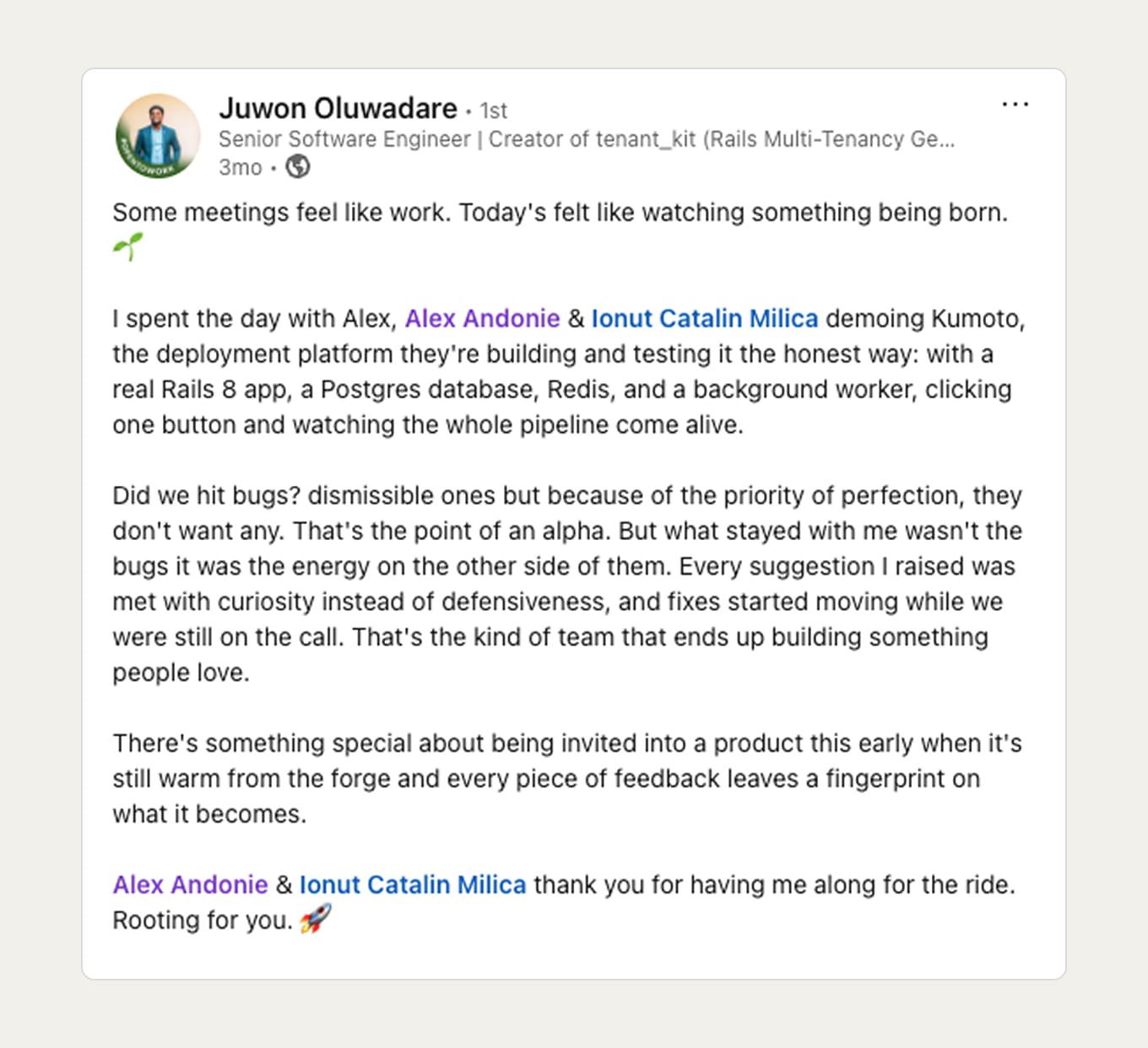
We finished up the MVP, got feedback from our first beta users, made improvements, put together a landing page, and launched it. We managed to get hundreds of thousands of impressions across socials and a few hundred signups. It was encouraging to see developers interested in what we were building.
However, that early interest didn't translate into a sustainable business. We weren't able to find product-market fit and ultimately decided to wind Kumoto down.
Learnings
I've probably made far more mistakes building Kumoto than I've made in my entire engineering career. I learned a lot about new tech, ways of working, the importance of direction, understanding a market, and more. But the lesson that will stick with me for the rest of my life is how much the people you choose to build with matter.
When it comes to that early team, technical abilities come second. What truly matters is being honest, transparent, and having regular conversations about commitment, expectations, and whether you're still working toward the same goal.
Let's build something together
If you think I'm the right fit for your next project, let's talk. You can find me on LinkedIn or drop me an anytime.